
Cellmark pioneered the introduction of DNA analysis for paternity testing. We were established to develop and apply Professor Sir Alec Jeffreys RFLP DNA technology to relationship testing and forensic analysis, becoming the world’s first private DNA testing company in 1987. DNA and innovation remain at the heart of what we do. Our state of the art, accredited laboratories and team of experienced staff means you can be sure testing will be carried out reliably, with care and precision.
We think it’s fair to say we have a good understanding of DNA and relationship testing, so we have gone back to basics to explain what DNA is and how it can be used to confirm relationships.
What is DNA?
DNA, short for Deoxyribonucleic Acid, is a molecule found in nearly every cell of your body. It carries the genetic instructions that make you who you are. From your eye colour to your blood type, DNA determines countless traits and characteristics.
The Structure of DNA
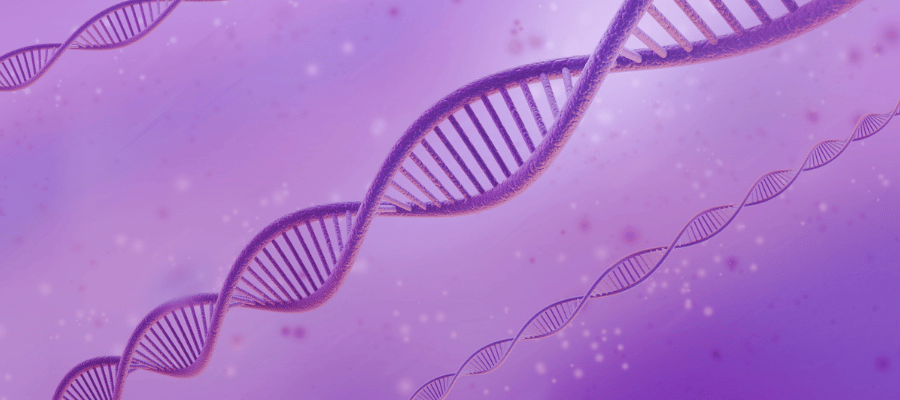
DNA has a unique double-helix structure, often compared to a twisted ladder. The ‘rungs’ of this ladder are made up of four chemical bases:
- Adenine (A)
- Thymine (T)
- Cytosine (C)
- Guanine (G)
These bases pair up (A with T, C with G) to form sequences that act like coded instructions for building and maintaining your body.
Why is DNA Important for Relationship Testing?
Every individual inherits half of their DNA from their biological mother and half from their biological father. This makes DNA testing the most accurate way to confirm biological relationships. Whether you’re seeking paternity, maternity, or wider relationship testing, DNA provides clear, scientific answers.
How Does DNA Testing Work?
The process is simple:
- Sample Collection – Usually a cheek swab is taken to collect cells.
- Laboratory Analysis – Scientists extract and compare DNA profiles.
- Results – A report explains whether the tested individuals share a biological relationship.
Beyond Relationships
DNA isn’t just about family ties. It plays a role in health, ancestry, and even forensic science. Understanding DNA helps us appreciate the complexity and uniqueness of every human being.
For more information about testing, please visit our Paternity DNA Testing page.
Content contained within this blog was correct at the time of publication. Subsequent changes, updates, or developments may not be reflected.